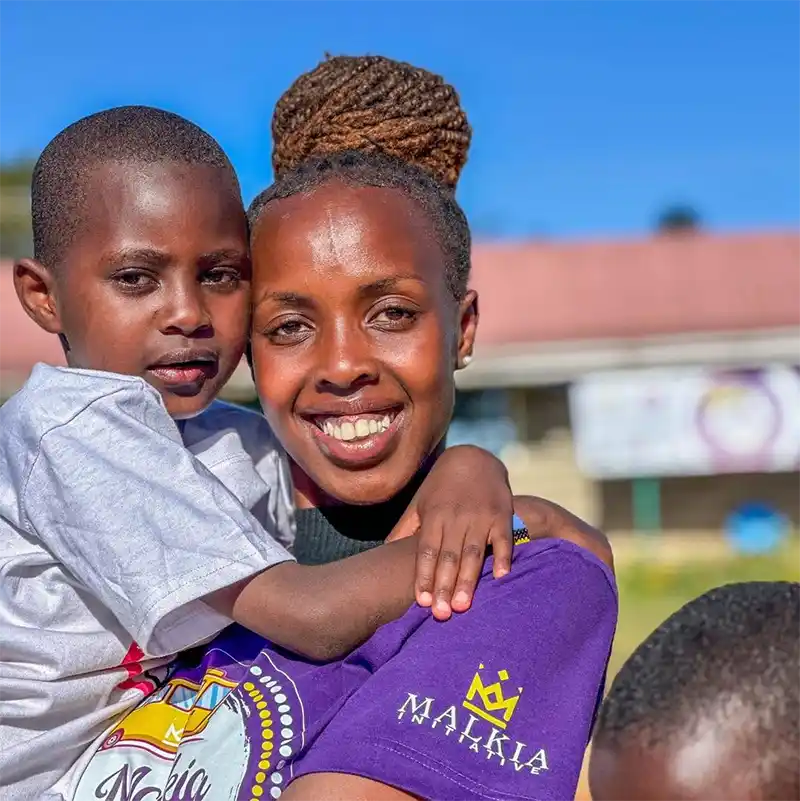
Identity Theory Of Change Validated
Theoretical Proof & Field Verification

Why Our Work Matters

In rural pastoralist communities, a girl's ability to remain in school is governed by household economics, geographical margins, menstrual equity, and deep-seated cultural rites. We dismantle this systemic trap by making girls the central architects of their own protection and learning pipelines.

The Systemic Reality

Born from Frontline Friction

Malkia was established in 2016 in Kajiado County in response to a recurring crisis: pastoralist adolescent girls who excelled in lower primary were systematically disappearing by Class 6 and 7.

Climate-driven droughts eroded household herds, turning girls into economic safety nets through early child marriage and forced Female Genital Mutilation (FGM). Traditional top-down interventions failed because they treated symptoms rather than the root power dynamics of pastoralist homesteads (*Manyattas*).

81.4% Frontline Delivery Direct to Girls
10 Years Continuous Grassroots Presence
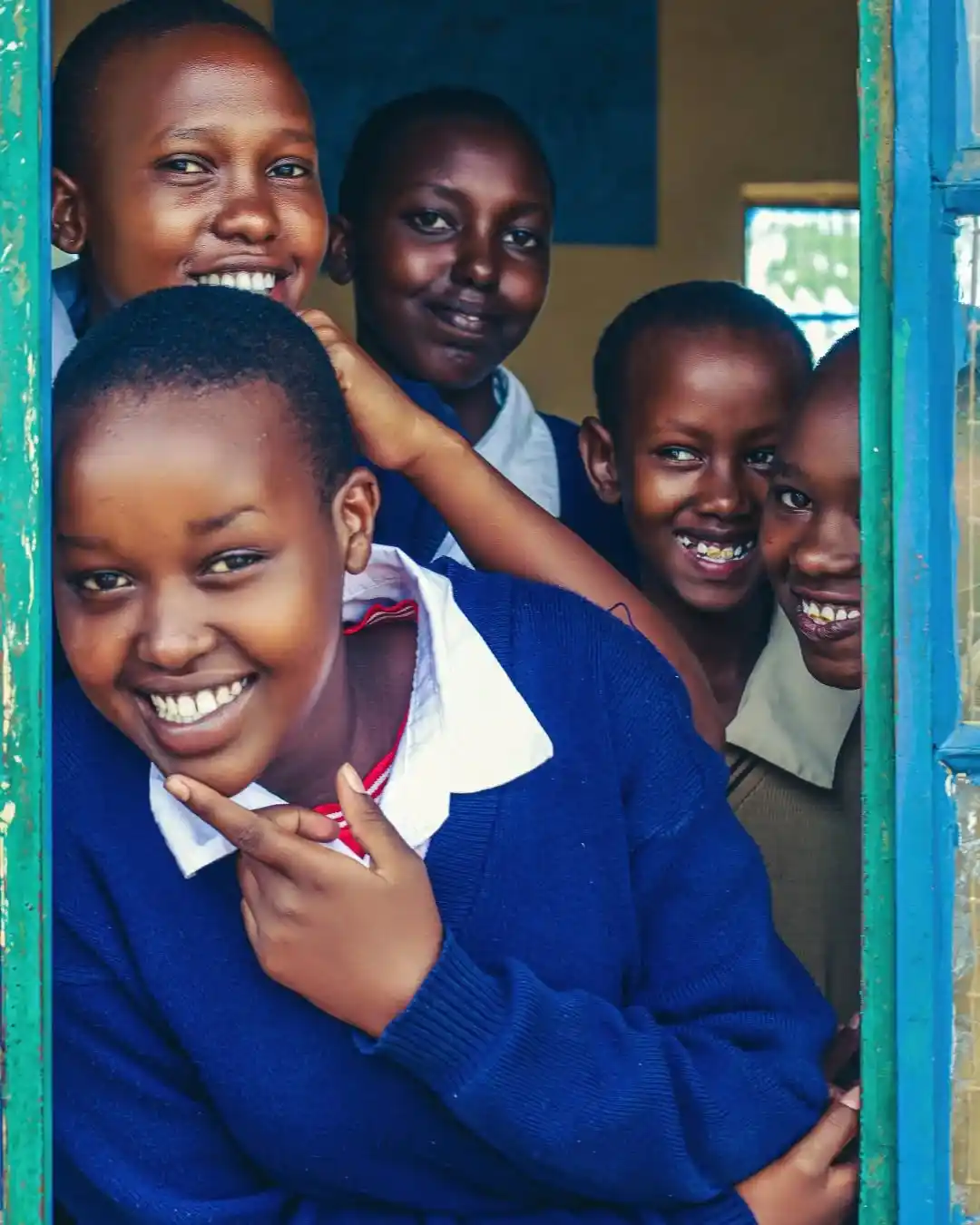
Pastoralist landscape context in Kajiado Rural Kajiado Central • Landscape of Operations
System Blueprint

Our Verified Theory of Change

When adolescent girls are equipped with safe spaces, reproductive literacy, and institutional physical protection, community norms shift from transactional survival to generational retention.

01

Institutional Safety

Constructing and equipping secure school dormitories, clean sanitation facilities, and menstrual hygiene banks to eliminate walk-to-school assault risks.

02

Girl-Led Voice

Activating Crown Clubs and School Assemblies where adolescent girls build self-advocacy, learn legal protection pathways, and identify early marriage threats before they happen.

03

Intergenerational Dialogue

Facilitating direct mediation between cultural elders, reformed circumcisers, Morans, and administrative chiefs to enforce anti-FGM statutes collaboratively.

04

Economic Agency

Providing alternative vocational tracks through TVET toolkits and technical enterprise to ensure teenage mothers and vulnerable girls generate self-sustaining income.

Verified Proof Point

Nasieku's Path: Defying Early Betrothal

Nasieku studying at Olgulului Secondary

At 13, Nasieku was scheduled for circumcision and marriage to a cross-border suitor during the long holiday season.

Through her school Crown Club, she alerted our frontline community mentors. Malkia mobilized local chiefs, secured an administrative protection order, and transferred her into a fully resourced boarding dormitory at Olgulului Primary.

Today, Nasieku is enrolled in Form 3, topping her science class and serving as a peer ambassador protecting over 40 adolescent girls in her home Manyatta.

100% Transition from Primary to Secondary Track
Adaptive Improvement

Teen Mother Re-entry: Overcoming Day-Care Blockers

SheRISE vocational technical cohort

In 2023, we discovered that 45% of young mothers re-enrolled in vocational training were dropping out within 90 days.

Our field audits revealed the operational bottleneck: lack of infant childcare during classroom hours forced mothers to stay home. Academic scholarships alone were insufficient to guarantee continuity.

We adapted the SheRISE model to include community-run nursing stations and flexible, modular beadwork enterprise shifts. Retention surged to 92% in 2025, proving that maternal support infrastructure is mandatory for educational persistence.

Model Iterated: Childcare Hubs Integrated Across TVET Tracks

Sustain Proven, Validated Interventions

Our Theory of Change is measured and proven across 26,009 lives. Help us scale this infrastructure to reach 32,000 adolescent girls by 2027.

Explore 2025–2029 Strategic Plan

Make a Pledge • Support Malkia